
 By martin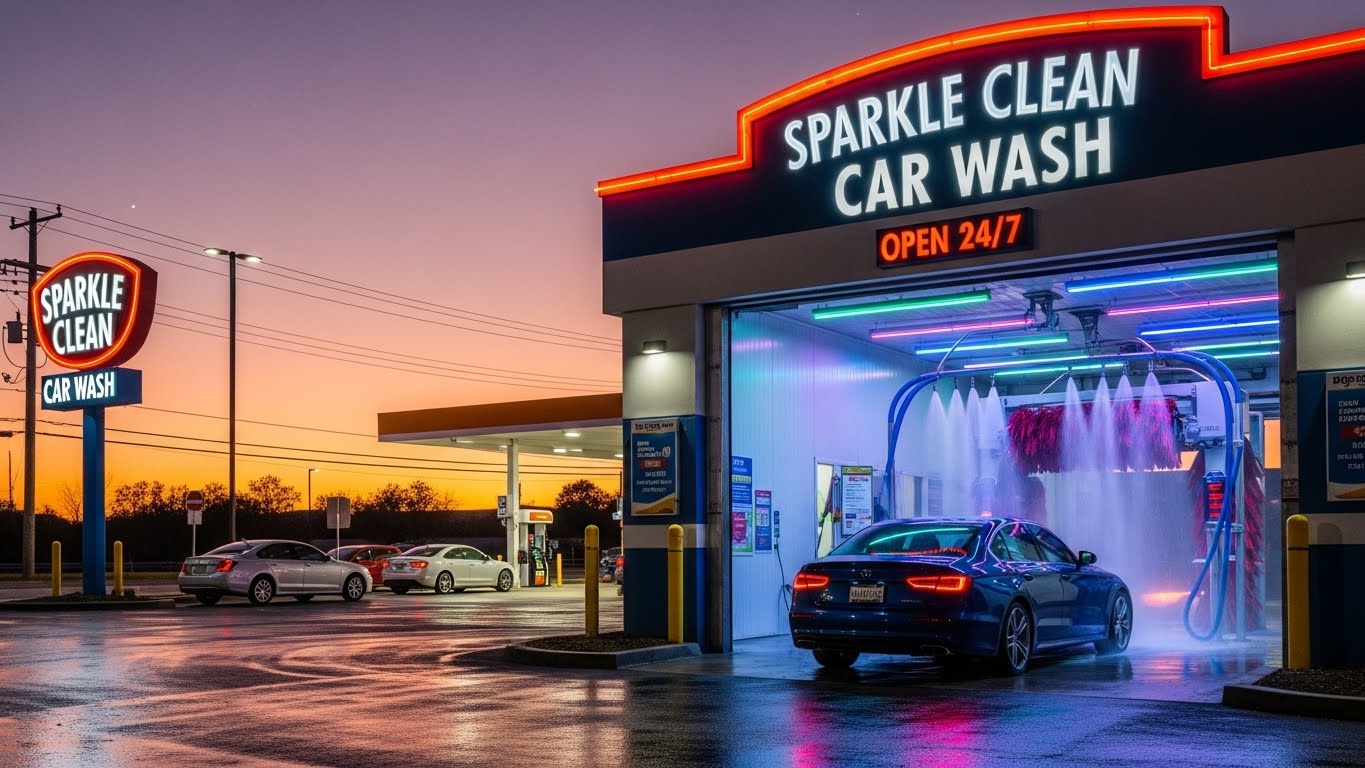
Let’s be honest: there is a specific kind of satisfaction that comes with driving a freshly washed car. The windows are clear, the paint sparkles under the sun, and for a moment, it feels like the car is brand new again. But getting to that feeling isn’t always simple.
We’ve all done it. You’re sitting at a red light, you notice the layer of dust on your dashboard or the bird droppings on the hood, and you pull out your phone to search for a “car wash near me.”
Google gives you a list of ten different places. Some are 5 minutes away; some are 15. Some cost $10; others cost $50. How do you choose? Is the automatic tunnel safe for your paint? Should you spend the extra money on a hand wash?
This guide isn’t just about finding the closest location. It is about understanding what your car actually needs, avoiding damage, and getting the best value for your money. Here is everything you need to know before you drive into the wash bay.
The Big Debate: Automatic vs. Hand Wash vs. Touchless
When you search for a car wash, you usually find three main types. Understanding the difference is the most critical step in protecting your vehicle’s long-term value.
1. The Automatic Tunnel Wash (The Soft Cloth)
This is the most common type of car wash you will see. You put your car in neutral, a conveyor belt pulls you through, and large spinning brushes scrub your car.
The Pros: It is fast (usually 3 to 5 minutes), cheap, and convenient. Most offer free vacuums afterward.
The Cons: This is where the term “swirl marks” comes from. If the car before you was a muddy off-road truck, that mud might still be stuck in the giant brushes. When those brushes hit your car, they can act like sandpaper. Over time, this dulls your paint.
Who is it for? People who drive older daily commuters and prioritize speed over perfection.
2. The Touchless Car Wash
You might see signs advertising “Laser Wash” or “Touch-Free.” These machines use high-pressure water jets and strong chemicals to clean the car without any brushes touching the paint.
The Pros: No brushes mean no scratches. It is the safest automated option for your paint job.
The Cons: Because nothing physically scrubs the dirt, these washes rely on very harsh chemicals to dissolve grime. Sometimes, they leave a thin film of “traffic film” on the car. They also struggle to clean heavy mud or bugs.
Who is it for? People with newer cars who want a quick wash but are afraid of scratches.
3. Professional Hand Wash
This is the premium service. A team of people washes your car by hand using mitts and high-quality soap.
The Pros: It is thorough. They clean the door jambs, the wheels, and spots machines miss. It is the safest method for preserving your car’s clear coat.
The Cons: It takes time (30 minutes to an hour) and costs significantly more.
Who is it for? Luxury car owners, enthusiasts, or anyone preparing their car for a special occasion.
How to Judge a Car Wash Before You Pay
You have found a top-rated spot on Google Maps. You pull up to the entrance. Before you hand over your credit card, look for these signs of a professional establishment.
Check the “Pre-Soak” Station
At a good tunnel wash, there should be an employee at the entrance spraying your car with water or a soap solution before you enter the tunnel. This step is crucial. It softens the dirt and lubricates the paint so that the brushes don’t scratch it. If you see a wash where you go straight in dry, turn around.
Look at the Towels
If you are going to a full-service wash where they dry the car for you, look at the towels in their hands. Are they clean, plush microfiber towels? Or do they look like old, dirty rags? Using a dirty towel to dry a clean car is the fastest way to ruin the finish.
The “Bucket” Test (For Hand Washes)
If you choose a hand wash, watch how they work. Do they use one bucket for everything? Professional detailers use the “Two-Bucket Method.” One bucket has soapy water, and the other has rinse water. After wiping your car, they rinse the mitt in plain water to remove dirt before dipping it back into the soap. This ensures they aren’t washing your car with its own dirt.
The Hidden Value: Monthly Memberships
In recent years, the car wash industry has shifted toward a subscription model. You pay a monthly fee (usually ranging from $20 to $40), and you can wash your car as many times as you want.
Is it worth it?
Do the math. The average basic wash costs about $10. If you wash your car three times a month, the membership pays for itself.
Recommendation: If you park outside under trees (sap and bird droppings) or live in an area with a lot of salt on the roads in winter, a membership is a no-brainer. You need to wash those contaminants off immediately to prevent rust and damage.
Detailed Breakdown: Services You Might Need
When you look for a “car wash near me,” you will often be bombarded with upsells. “Do you want the lava wax?” “How about the tire shine?” Here is what those extra services actually do.
Undercarriage Wash
Verdict: Essential
Many people skip this, but it is vital. The bottom of your car takes the most abuse—mud, salt, road grime. Over time, this causes rust on your frame and exhaust. An undercarriage wash blasts water upward to clean the parts you can’t see. Always say yes to this.
Spray Wax / “Lava Shield”
Verdict: Optional
The colorful foam that sprays onto your car at the end of the tunnel looks cool, but it isn’t a replacement for real wax. It provides a very temporary shine (lasting maybe a few days) and helps water bead off, so the dryers work better. It’s fine for a quick shine, but don’t think your car is protected for the month.
Tire Dressing (Tire Shine)
Verdict: Be Careful
Shiny black tires look great. However, cheap car washes use silicone-based dressings that can “sling” onto your paint when you drive away, leaving black, greasy spots on your white car. If you can, apply your own tire shine at home using a water-based product.
The Rise of the Mobile Car Wash
If you are busy, you might want to adjust your search query from “car wash near me” to “mobile car detailing near me.”
This is a booming sector. Instead of you going to the wash, a van comes to your office or driveway. They bring their own water and electricity.
The Benefit: Extreme convenience and usually a much higher quality of work (hand wash).
The Cost: You pay a premium for the travel and labor.
Safety: Since they work on one car at a time, the risk of cross-contamination (dirt from another car scratching yours) is zero.
Interior Cleaning: Don’t Ignore the Inside
Most “car wash near me” searches focus on the outside, but you spend your time inside the car. A standard wash usually includes a quick vacuum, but sometimes you need more.
Shampooing vs. Steam Cleaning
If you have stains on your cloth seats, a regular vacuum won’t help.
Shampooing: Uses water and chemicals to scrub the fabric. Good for deep stains, but leaves the seats damp for hours.
Steam Cleaning: Uses high-temperature steam to kill bacteria and lift dirt. It dries almost instantly and is great for sanitizing steering wheels and vents.
The Odor Problem
If your car smells like wet dog or old food, avoid air fresheners—they just mask the smell. Look for a car wash that offers “Ozone Treatment.” An ozone generator is placed in the car for 30 minutes to chemically neutralize the bacteria causing the smell. It effectively resets the scent of your interior.
DIY: The Self-Service Car Wash
Sometimes, the best person to wash your car is you. Self-service bays (where you put coins in a machine and hold the sprayer) are excellent if you know what you are doing.
Pro-Tips for Self-Service:
1. Never use the Foaming Brush: That brush on the wall has been used by truck drivers to scrub grease off their tires and by off-roaders to scrub mud. If you touch it to your paint, you will scratch it. Use the high-pressure spray only.
2. Bring Your Own Bucket: Go during off-peak hours, bring your own bucket and mitt, and just use the machine for water. This is the cheapest way to get a professional-level hand wash.
3. Floor Mats First: Use the clips on the wall to hang your mats and blast them first so they can dry while you wash the rest of the car.
Environmental Impact: Driveway vs. Professional Wash
You might think washing your car in your driveway is better, but it’s actually not eco-friendly.
When you wash at home, the soap, oil, and brake dust run down your driveway and into the storm drains, which lead directly to rivers and oceans.
Professional car washes are required by law to have water reclamation systems. They filter the water, treat it, and reuse it. The hazardous waste is collected and disposed of safely. So, searching for a “car wash near me” is actually the greener choice.
Conclusion: Making the Right Choice
The next time you type “car wash near me” into your browser, pause for a second. Don’t just click the first option because it’s 0.5 miles closer.
Look at the photos. Read the reviews—specifically look for comments about “scratches” or “customer service.” Decide if you need a quick rinse (Touchless), a deep clean (Hand Wash), or just a place to vacuum (Self-Service).
Your car is likely the second most expensive purchase you will make in your life, right after your home. Treating it with care doesn’t just make it look good; it protects your investment. A well-maintained exterior can add hundreds or even thousands of dollars to the resale value of your vehicle.
So, go ahead, find that top-rated spot, and enjoy the ride.
Frequently Asked Questions (FAQs)
Q: How Often Should I Wash My Car?
A: Experts recommend washing your car every two weeks. If you live near the ocean (salt air) or in snowy areas (road salt), you should aim for once a week to prevent rust.
Q: Will an Automatic Car Wash Scratch My New Car?
A: It is possible. “Soft touch” washes use brushes that can hold dirt from previous cars. For a brand new car, a “Touchless” wash or a “Hand Wash” is much safer to keep the paint flawless.
Q: What is the Difference Between Wax and Polish?
A: This is a common confusion. Polish is an abrasive that removes a thin layer of paint to fix scratches and make the surface smooth. Wax is a protective layer you put on after polishing to shield the paint from the sun and water.
Q: Why Do I Still Have Spots on My Car After a Wash?
A: These are likely “water spots.” If the car wash didn’t dry your car properly, minerals in the water (calcium) dry onto the paint. You should always dry your car immediately or use a wash that uses filtered water.
Q: Is a Ceramic Coating Better than Wax?
A: Yes. Wax lasts 1-3 months. A ceramic coating is a liquid polymer that bonds to the paint and can last 2-5 years. It is much more expensive but offers superior protection against UV rays and chemical stains.
Read More: Acura Sports Cars: Thrill Meets Everyday Performance