
 By martin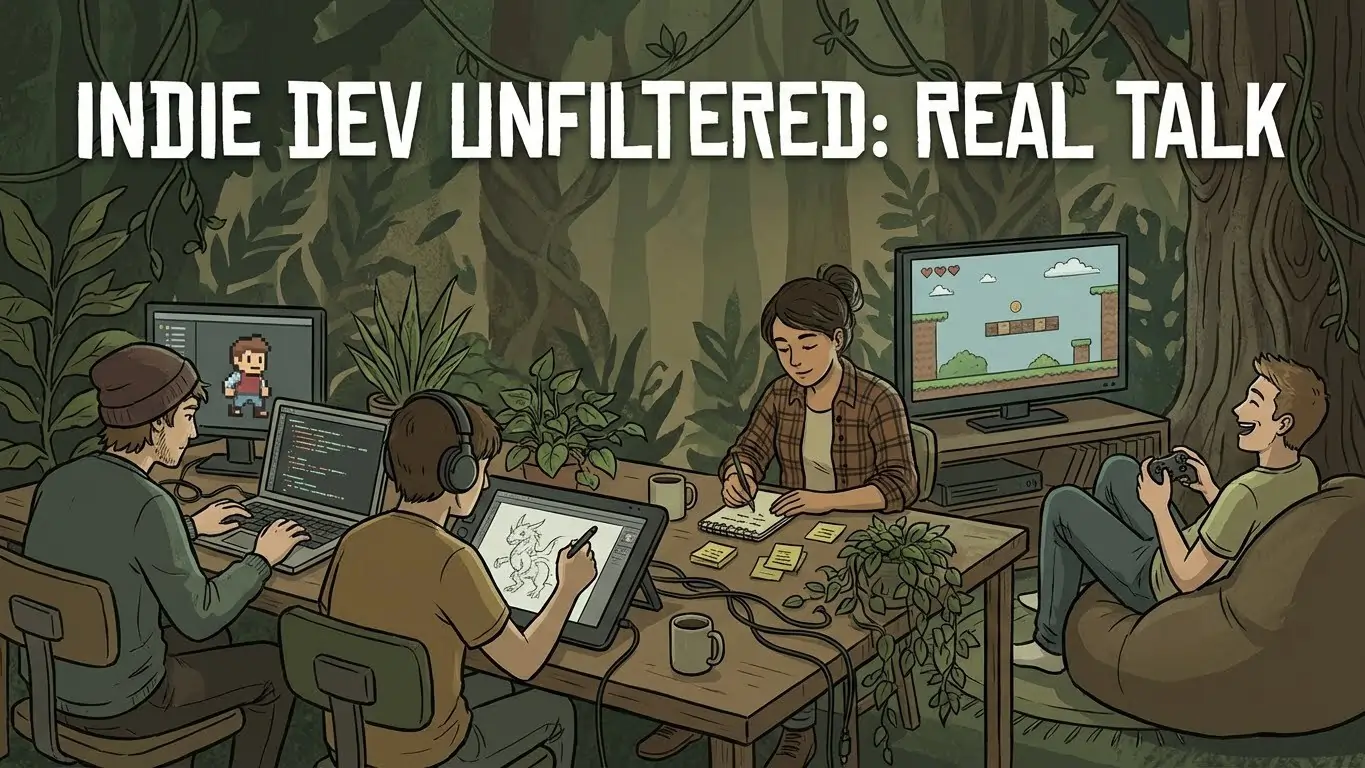
Why You’re Actually Here
Let’s be honest, if you’re searching for “UndergrowthGames contributor,” you’re not just browsing. You’ve got questions.
Maybe you want real experience in game development. Or you’re an artist, writer, or tester who’s tired of working alone on projects that never see the light of day. You might even be wondering if becoming an UndergrowthGames contributor is legit or just another dead-end indie project.
I get it. So let’s skip the corporate speak and get into what actually matters. This guide explains what an UndergrowthGames contributor does, who should consider it, and whether it’s worth your time. No sugarcoating.
What Does an UndergrowthGames Contributor Actually Do?
An UndergrowthGames contributor isn’t just playing Games they’re building them.
You’d be helping create, improve, or support projects that people will actually play. Your work matters. It shows up in the final product, affects how players experience the game, and shapes what the community thinks about it.
Here’s what UndergrowthGames contributors typically do:
- Game development and programming
- Creating art, animations, or game assets
- Writing storylines and dialogue
- Testing builds and finding bugs
- Moderating communities and gathering feedback
Most contributors work remotely. You’ll probably use Discord, Trello, GitHub, or whatever tools the team prefers. Pretty standard indie game setup.
Who’s Searching for This? (Probably You)
Most people looking up this term aren’t casual players. They’re creators. People who want to build something real.
You might be:
- Someone who wants to break into indie game development
- A digital artist or pixel artist looking for portfolio work
- A writer who loves game storytelling
- A modder who’s ready to go official
- A student who needs actual experience (not just theory)
Sound familiar? Then you’re in the right place.
Different Ways You Can Contribute
UndergrowthGames isn’t a one-size-fits-all thing. There are several roles, and you don’t need to be a coding genius to help.
Development and Programming
If you’re technical (or learning to be), this is where you’d fit.
You might work on gameplay mechanics, squash bugs, improve performance, or help with backend systems. Sure, coding knowledge helps, but honestly? Being a good problem-solver matters just as much.
Art and Visuals
This is for the creative folks who care about how things look.
You could create 2D or 3D art, design pixel sprites, build UI elements, or animate characters and environments. Don’t stress if you’re not using fancy Software clarity and creativity often beat expensive tools.
Writing and Narrative Design
Love storytelling? This role’s all about shaping the game’s tone and world.
You’d write lore, create dialogue, build out world-building docs, or organize narrative content. If you can communicate clearly and think about how stories unfold, you’re already halfway there.
Testing and Feedback
This is perfect for beginners or anyone with a sharp eye for detail.
You’d play test Builds Spot Bugs Report gameplay issues, and give structured feedback. It’s not glamorous but it’s critical. Games live or die based on quality control and testers make that happen.
Community and Support
Some people are better with people than code. That’s totally valid.
These contributors moderate Forums help new members write Documentation Organize feedback or keep discussions productive. If you’re reliable and communicate well, teams will love having you around.
“But I’m Not Skilled Enough…”
Stop right there. I hear this all the time, and it’s usually not true.
You don’t need to be an expert. Here’s the reality:
| Skill Level | Can You Contribute? | What to Expect |
| Beginner | Absolutely | Start with testing, writing, or basic art |
| Intermediate | Yes | You’ll have more independence and impact |
| Advanced | Of course | You might mentor others or lead sections |
What matters more than skill? Curiosity. Consistency. Being willing to learn and work with others.
I’ve seen beginners outperform “experts” simply because they showed up, asked questions, and got things done.
Why Would You Even Want to Do This?
Let’s talk about what you actually get out of this because nobody contributes just for fun (well, not only for fun).
The practical stuff:
- Real project experience you can show employers
- Portfolio work that proves you can actually do the thing
- Hands-on skill development (way better than tutorials alone)
- Learning how real teams work together
The personal stuff (that honestly matters more):
- Feeling like you’re part of something bigger
- Confidence that comes from shipping real work
- Motivation from seeing your contributions live in the game
- Recognition from people who understand what you did
Here’s the thing: you’ll probably grow faster working on a real project with real people than grinding away solo. Community accelerates learning.
The Questions You’re Too Nervous to Ask
Is UndergrowthGames Even Legit?
Fair question. There’s not a ton of official info out there, which makes people nervous.
Look for clear Communication Transparent guidelines and active community involvement. If the project feels sketchy or vague, Trust your gut.
Is This Paid Work?
Usually? No. Most UndergrowthGames contributor roles in indie projects are voluntary or credit-based.
Some projects might offer revenue sharing if the game makes money, but don’t count on it. Always ask upfront so you know what you’re getting into.
Will Beginners Actually Be Welcome?
Yes. But there’s a catch.
Teams welcome beginners who show initiative and reliability. If you disappear for weeks without saying anything or overpromise and underdeliver, that’s a problem. But if you start small and stay consistent? You’ll be fine.
Will I Get Credit for My Work?
Depends on the project. Some teams are great about crediting everyone. Others… not so much.
Ask about their attribution policy before you put in serious hours. Get it in writing if possible. You deserve recognition for your work.
How to Actually Get Started as an UndergrowthGames Contributor
Don’t overcomplicate this. Here’s what you do:
Step 1: Figure Out What You’re Good At
Pick one thing you can realistically Contribute writing Testing art code whatever. Don’t try to do everything at once.
Step 2: Put Together Simple Samples
You don’t need a professional portfolio. Just show you can do the thing:
- A small project you’ve worked on
- Screenshots or short demos
- A brief explanation of your skills
Step 3: Learn How They Work
Every project runs differently. Figure out:
- How do they communicate (Discord? Slack? Email?)
- How they handle feedback
- Where you submit work
- What they expect from contributors
Step 4: Start Small
Finish one small task really well instead of promising ten things you can’t deliver.
Completed work builds trust. Big promises without follow through? That destroys trust fast.
How to Not Mess This Up
Want to be the UndergrowthGames contributor everyone wants to work with? Here’s how:
- Communicate clearly and often – Don’t ghost people
- Ask questions early – Better to ask than screw it up
- Take feedback like a pro – Don’t get defensive
- Meet deadlines you agreed to – Or tell people early if you can’t
- Document what you do – Future you (and your teammates) will thank you
Teams remember contributors who show up and get things done. That’s really all it takes.
The Real Talk: Should You Become a Contributor?
If you want real experience, creative collaboration, and actual skill Development Yeah it’s worth considering.
But it’s not for everyone. It requires commitment, even if it’s not paid. You’ll need to manage your expectations, start small, and stay consistent.
Here’s the truth: turning curiosity into progress takes work. But if you’re willing to put in that work? An UndergrowthGames contributor role could be exactly what you need.
Quick Answers to Common Questions
What does an UndergrowthGames contributor actually do?
They help build game projects through development, art, writing, testing, or community work.
Do I need experience?
Nope. Beginners can start with testing, writing, or entry-level creative roles.
Is it paid?
Most roles are voluntary or credit-based. Always confirm before committing time.
Can this help my career?
Absolutely. You’ll gain experience, portfolio pieces, and collaboration skills.
How much time does it take?
Depends on the role and project. Some tasks are quick, others are ongoing.
Is this good for indie developers?
Yes, especially if you want collaborative experience and real skill growth.
Bottom Line
If you’ve read this far, you’re probably already leaning toward trying it.
So here’s my advice: reach out, ask questions, start small. See if it fits. You won’t know until you try, and the worst that happens is you learn something new.
Who knows? This could be the project that changes everything.